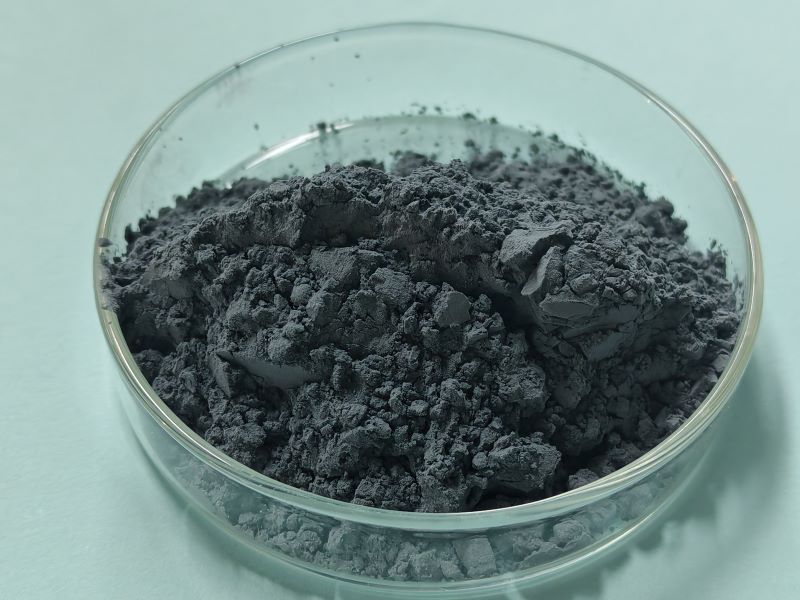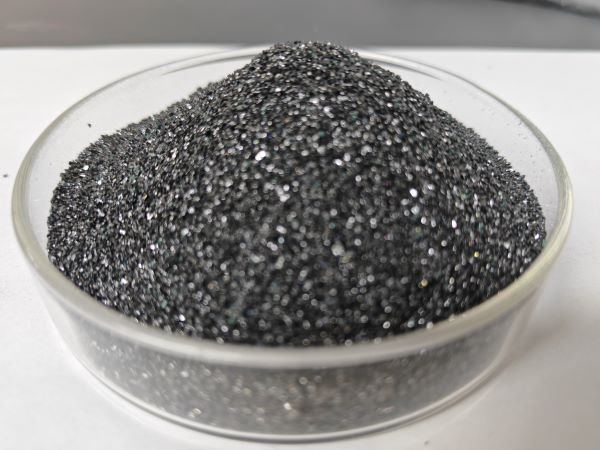
The applications of Black silicon carbide powder?
Black silicon carbide powder is produced by smelting quartz sand and petroleum coke inside high‑temperature resistance furnaces. Featuring Mohs hardness of 9.2, good thermal conductivity, moderate electrical conductivity, excellent wear resistance and great chemical stability against acids and alkalis, this cost‑effective SiC material serves numerous industrial sectors across abrasive processing, thermal management, refractory metallurgy and advanced composite manufacturing.
Its most traditional and largest‑volume application lies in the abrasive and surface‑treatment industry. Graded black silicon carbide grits and micro‑powders are widely made into grinding wheels, abrasive belts, sandpapers and polishing pastes. It performs outstandingly for grinding cast iron, non‑ferrous metals such as aluminum, copper and brass, stone, marble, glass and low‑tensile‑strength non‑metallic workpieces. In sandblasting and water‑jet cutting operations, sharp‑edged black SiC particles efficiently remove rust, oxide scale, burrs and old coatings, achieving uniform matte surface finishing for machinery parts, casting components and hardware workpieces.
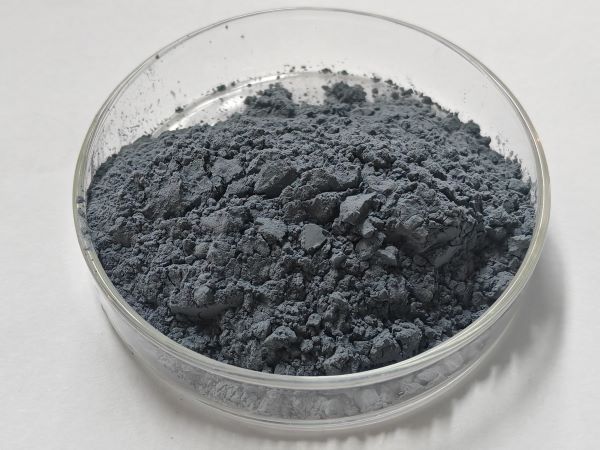
Black silicon carbide powder acts as critical functional filler for various wear‑resistant and thermal‑conductive composite materials. Mixed into epoxy wear‑resistant floor paint, anti‑slip coating, friction brake materials and rubber‑matrix products, it greatly improves surface hardness, anti‑abrasion performance and structural durability. In new‑energy field, 3‑5μm fine black silicon carbide powder is adopted as infrared shielding additive for lithium‑battery thermal‑insulation aerogel sheets. It suppresses radiative heat transfer under high‑temperature conditions, slowing thermal runaway spread inside EV battery packs and strengthening thermal safety of power batteries.
In refractory and metallurgical fields, black silicon carbide powder is an indispensable raw material for high‑strength refractory bricks and furnace linings, thanks to its superb thermal‑shock resistance. It can also be used as deoxidizer and grain modifier for steel‑making and cast‑iron production, purifying molten metal and optimizing alloy microstructure. For high‑temperature sintering ceramics, black SiC powder serves as feedstock for reaction‑sintered silicon‑carbide ceramic components used inside kilns and industrial furnaces.
Benefiting from its balanced thermal and electrical conductivity, black silicon carbide powder finds growing uses in electronic‑related materials. It is added into thermal‑conductive silicone pads and electronic packaging heat‑dissipation composites to boost overall heat‑conduction efficiency. It is also applied in foam‑ceramic manufacturing as foaming agent, generating uniform pore structure for high‑performance foam‑ceramic products.
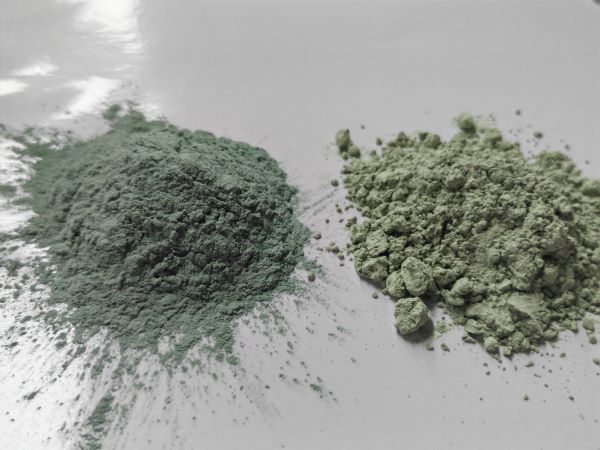
Compared with green silicon carbide, black silicon carbide delivers balanced performance with better cost advantages. Different particle sizes from coarse grits to ultra‑fine micro‑powders can match diversified production requirements. As advanced manufacturing keeps developing, black silicon carbide powder continues expanding its influence across surface finishing, new‑energy thermal management, refractory metallurgy and composite material industries worldwide.