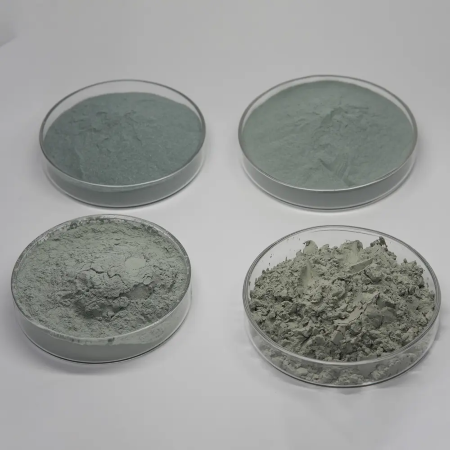
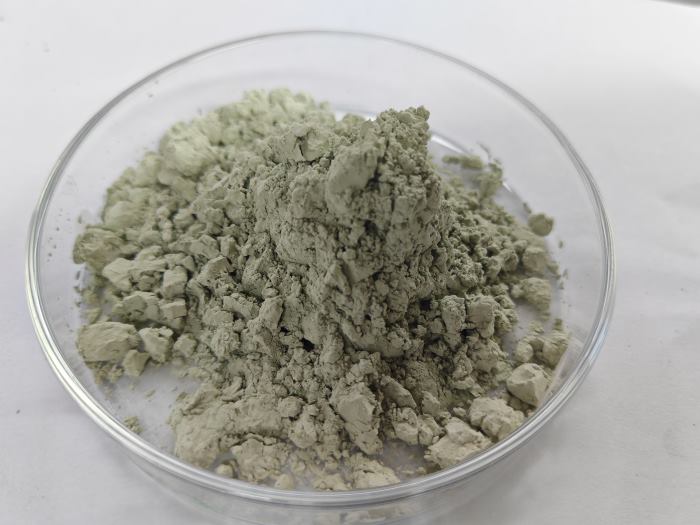
400# green silicon carbide powder for ceramic membrane GPF particulate filters
Introduction:
Our 400# Green Silicon Carbide Powder is a premium, high-purity abrasive material engineered specifically for the manufacturing and post-processing of advanced ceramic membrane Gasoline Particulate Filters (GPFs). As global emissions standards become increasingly stringent, the demand for highly efficient and durable filtration solutions has never been greater. This precision-grade powder is the key ingredient for creating the porous, robust ceramic walls that are the heart of next-generation GPFs, ensuring superior particulate capture and long-term reliability.
Product Description:
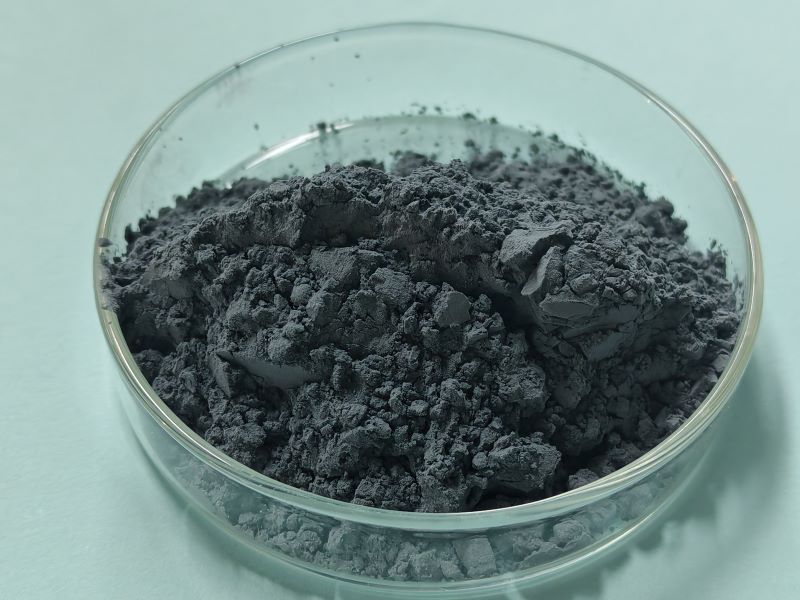
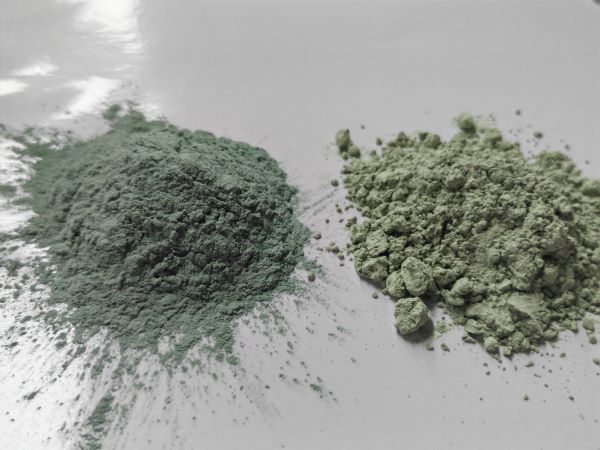
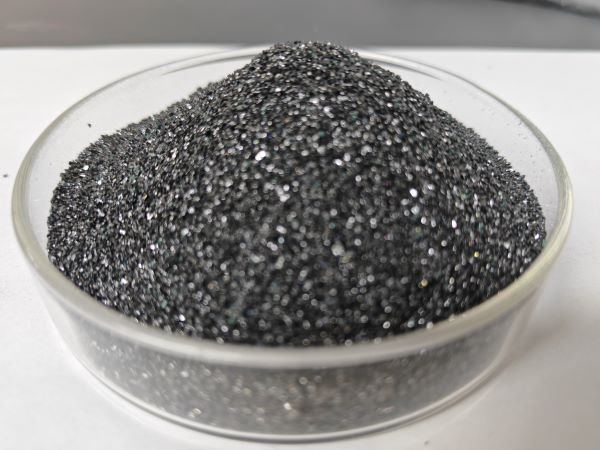
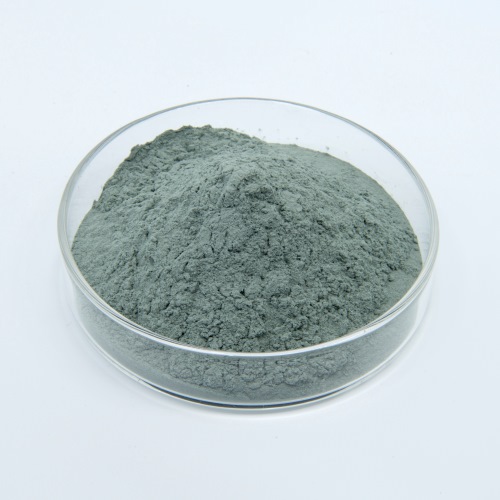
This product consists of finely graded green silicon carbide (SiC) particles, classified to the precise 400-grit (approximately 23 microns average particle size) specification. Green silicon carbide is renowned for its exceptional hardness (9.5 on the Mohs scale), sharp crystalline structure, and high thermal conductivity. Unlike common abrasives, our powder is manufactured to achieve outstanding chemical purity and consistent particle morphology. This ensures predictable and optimal performance during the critical stages of ceramic membrane fabrication.
Key Features and Benefits:
- Optimal Pore Creation & Structure: The sharp, angular grains are ideal for precise pore-forming and microstructure engineering within the ceramic membrane. This results in a perfectly controlled porosity and pore size distribution, essential for high filtration efficiency (>95% for PM 2.5/10) and optimal balance between soot capture and exhaust backpressure.
- Enhanced Membrane Strength: Incorporating this high-hardness material into the ceramic matrix significantly improves the mechanical strength and fracture toughness of the sintered filter. This enhances durability against thermal shocks, mechanical vibrations, and regeneration cycles, extending the filter’s service life.
- Superior Processing Performance: Used as a abrasive media for lapping and polishing, it provides an excellent surface finish on filter channels. This improves flow characteristics and facilitates more uniform soot accumulation and regeneration.
- High-Temperature Stability: Silicon carbide maintains its integrity and properties at the extreme temperatures (often exceeding 1000°C) encountered during filter regeneration, preventing degradation of the filter structure.
- Batch Consistency: Rigorous grading and quality control guarantee uniform particle size distribution from batch to batch. This consistency is critical for repeatable manufacturing processes, yielding GPFs with identical high-performance characteristics.
Primary Application:
This powder is primarily used in the production and finishing of wall-flow ceramic membranes for Gasoline Particulate Filters (GPFs) in modern gasoline direct injection (GDI) engines. It serves two core functions:
- As a Pore-Forming Agent: Mixed into the ceramic slurry (typically with cordierite or silicon carbide as the base material), it burns out during sintering, leaving behind a network of interconnected, size-controlled pores.
- As a Precision Abrasive: For machining, lapping, and polishing the filter’s honeycomb structure to exact dimensional tolerances and smooth surface finishes, ensuring optimal fluid dynamics.
Conclusion:
For manufacturers aiming to produce top-tier ceramic membrane GPFs that meet Euro 6d, China 6, and other stringent global standards, our 400# Green Silicon Carbide Powder is an indispensable material solution. It delivers the precise control over microstructure, strength, and durability needed for the next generation of clean mobility technology.